
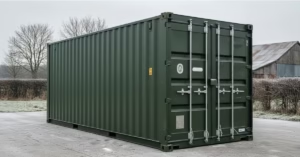
Preparing your shipping container for winter
Winter can cause real problems inside a shipping container if you do not prepare it properly. Condensation, damp and rust are the main issues. Here
Article Written By: Joe Packham
Date: 08/10/2026
Shipping containers are built to cross oceans, so a British winter is not going to destroy one. But that does not mean you can just lock the doors in October and forget about it until spring. Cold weather brings condensation, and condensation is the number one reason people find damp, mouldy, or rusted contents when they open their storage container after a few months.
The good news is that a bit of preparation goes a long way. Most of the steps below take an afternoon at most, and they will save you from coming back to soggy cardboard boxes, rusty tools, or mould-covered furniture in the new year.
Here is how to get your container ready for the colder months.
Condensation is the biggest issue container owners deal with during winter. It happens when warm, moist air inside the container meets the cold steel walls and ceiling. The moisture in the air turns into water droplets on the metal surfaces. On a bad day it can literally rain inside the container.
You might hear people call it “container rain” or “container sweat.” It is the same thing, and it gets worse when temperatures drop because the difference between the air inside and the cold steel outside becomes more extreme.
It does not matter whether your container is brand new or twenty years old. If there is moisture in the air and cold metal to condense on, you are going to get drips. The trick is to reduce the moisture and manage the temperature difference.
Air circulation is your best weapon against condensation. Stale, trapped air holds moisture, and that moisture has nowhere to go except onto the walls and ceiling.
Most shipping containers come with small vents near the top of the walls. These allow air to circulate without letting rain in. Check that yours are not blocked, painted over, or clogged with dirt. If your container does not have vents, it is worth getting some fitted before winter sets in. A pair of louvre vents on opposite walls will make a noticeable difference.
If your container is somewhere secure, opening the doors for a few hours on dry days helps flush out damp air. Even cracking them open slightly lets fresh air move through. Obviously this is not practical for everyone, especially on sites where security is a concern, but if you can do it once a week or so, it helps.
Do not pack everything right up against the walls. Leave a gap of a few inches between your stored items and the container walls so air can flow around them. This stops moisture getting trapped behind boxes and furniture where you cannot see it until the damage is done.
We sell container damp sticks which are designed specifically for shipping containers. They help protect furniture, soft furnishings, and other stored items from moisture and condensation building up inside the container. They are sold in pairs and are one of the simplest things you can do to keep your contents dry over winter.
How many you need depends on the size of your container, what you are storing, how long it will be in there, and where the container is located. If you are storing high-value items or soft furnishings, it is worth using more rather than fewer.
For larger containers like a 40ft unit , you will obviously need more coverage than a 10ft or 20ft. Give us a call on 01708 558999 if you are not sure how many to order and we can advise based on your setup.
The rubber seals around the container doors are what keep rain and wind out. Over time they can dry out, crack, or perish, especially on older used containers. Before winter, open the doors fully and have a proper look at the seals all the way around.
If they are cracked, stiff, or pulling away from the frame, they need replacing. Water getting in through dodgy seals during heavy rain or driving wind will cause more problems than condensation ever will. Replacement seals are readily available and not expensive.
While you are at it, check that the doors close properly and sit flush. If the hinges have dropped or the container is sitting on uneven ground, the doors might not seal tightly. Adjusting the container’s position or shimming the feet can sort this out.
Shipping containers are made from Corten steel, which forms a protective patina that resists corrosion. But it is not invincible. Scratches, dents, and areas where the paintwork has been damaged can let moisture in, and over winter those spots will rust faster.
Walk around the outside of your container and look for any areas where the paint has chipped or where surface rust is starting to form. A wire brush, some rust converter, and a coat of container paint will stop small problems turning into big ones over the winter.
Pay extra attention to the bottom edges and the area around the doors. These are the spots that tend to take the most punishment from rain splash and standing water.
C4S offer a container painting service on purchased containers if you want the job done properly. A fresh coat of paint before winter gives you the best possible protection against the elements.
If your container is sitting directly on soil or grass, water can pool underneath it during heavy rain. That trapped moisture rises up through the container floor over time, adding to the damp problem inside.
Ideally, your container should sit on a hard, level surface that allows water to drain away. Concrete pads, paving slabs, or timber sleepers all work well. If the container is already in position and moving it is not an option, make sure the ground around it slopes away so rainwater runs off rather than collecting underneath.
Check that nothing is blocking drainage around the container. Leaves, mud, and rubbish can build up against the base over autumn and trap water where you do not want it.
Even with good ventilation and moisture control, it is worth taking a few extra steps with the items you are storing.
Use pallets or shelving: Keeping items off the floor means that even if a small amount of moisture does get in, your stuff is not sitting in it. Wooden pallets are cheap and do the job. Shelving is even better if you are storing the container long-term.
Cover furniture and soft items: Dust sheets or old blankets over sofas, mattresses, and upholstered furniture will protect them from any condensation drips from above. Plastic sheeting works but can trap moisture underneath, so fabric covers are usually better.
Wrap metal items: Tools, machinery, and anything metal should be lightly oiled or wrapped to stop surface rust forming. A squirt of WD-40 or a wipe with an oily rag on hand tools takes seconds and saves you having to clean rust off them in the spring.
Avoid storing damp items: This sounds obvious, but do not put anything wet or damp into the container. Wet clothing, damp timber, or freshly washed camping gear will release moisture into the air and make the condensation problem worse. Make sure everything is dry before it goes in.
Yes and no. A brand new one-trip container will have perfect seals, no rust, and no damage to the paintwork, so it will naturally perform better in the wet and cold. But a well-maintained used container will handle winter just fine as long as the seals are good and there is no damage letting water in.
If you are buying a container specifically to store valuable items over winter, it is worth considering a one-trip unit for the best possible protection. Have a look at our shipping containers page to see what is available, or browse by type to compare your options.
Here is a quick summary of everything to check before the cold weather sets in:
Will my shipping container rust in winter?
Shipping containers are made from Corten steel, which is designed to resist corrosion. A container in good condition with intact paintwork will handle winter without any problems. Where rust does start, it is usually in spots where the paint has been damaged. A quick touch-up before winter will stop it spreading.
Do I need to insulate my container for winter?
For basic storage, no. Ventilation and moisture absorbers are usually enough to keep things dry. If you are using the container as a workshop or spending time inside it during cold weather, insulation makes a big difference to comfort and condensation control. But for storing tools, furniture, or materials over winter, insulation is not essential.
How often should I check my container during winter?
Once a month is a good habit. Open the doors on a dry day, let fresh air in, check your moisture absorbers, and have a quick look around for any signs of damp or water getting in. It takes ten minutes and catches problems early.
Can I use a dehumidifier in a shipping container?
You can if you have a power supply. An electric dehumidifier will do a better job than passive moisture absorbers, especially in larger containers. Just make sure you have somewhere to drain the collected water or that you empty the tank regularly.
What is the best size container for winter storage?
It depends on what you are storing. A 20ft container is the most popular all-round choice. For smaller amounts of gear or tight spaces, a 10ft is plenty. The key thing is not to overpack it. You need space around your items for air to circulate.
Need a Container Before Winter?
If you are looking for a storage container to see you through the colder months, Containers 4 Sale UK supply containers for sale and nationwide. We carry everything from 6ft units up to 40ft, in both new one-trip and used condition.
Not sure what size you need? Check out our guide to shipping container dimensions and sizes or get in touch for a same-day quote.
Have a look at our FAQs page or give us a call. We also offer 24/7 technical support for all of our customers. Get in touch for a same-day quotation and we’ll help you find the right unit.
Winter can cause real problems inside a shipping container if you do not prepare it properly. Condensation, damp and rust are the main issues. Here

A shipping container could be the simple solution when you need a little more space

We delivered a 10ft shipping container this week to The Crafty Cockney Pie & Mash on Canvey Island. They’re a family run traditional East End
Posted on GoogleTrustindex verifies that the original source of the review is Google. The only Most Way About c4sale Ltd Limited Edition In India and Europe And ViaPosted on GoogleTrustindex verifies that the original source of the review is Google. A pleasure to deal with from start to finish with Sam making the transaction as smooth as it could be. The container arrived on the day and was perfect for the job.Posted on GoogleTrustindex verifies that the original source of the review is Google. Excellent friendly service, highly recommended, pulse the delivery guys were so kind and helpful . Couldn’t be more grateful to use this company for my containers.Posted on GoogleTrustindex verifies that the original source of the review is Google. Very pleased with the service and was happy with the container thank you guysPosted on GoogleTrustindex verifies that the original source of the review is Google. As a business we have purchased 6 containers from Containers 4 Sale UK. I dealt with Josh from start to finish. He was helpful all the way through the process and kept me updated of ETA of delivery. Excellent service. If we need any more I will definitely be coming here.Posted on GoogleTrustindex verifies that the original source of the review is Google. Good customer service. Delivered when needed and in time. RecommendedPosted on GoogleTrustindex verifies that the original source of the review is Google. I cannot recommend Bobby from C4S highly enough. From start to finish, he provided exceptional service that truly exceeded our expectations. Bobby's communication was impeccable - he kept us informed every step of the way, ensuring we knew exactly when to expect our delivery. Not only did Bobby offer the most competitive price for our containers, but he also went above and beyond to ensure we were completely satisfied with our purchase. His attention to detail and dedication to customer satisfaction truly sets him apart. Our container needs were met seamlessly. We are incredibly impressed with the service provided and will definitely be contacting Bobby again for our next round of containers. If you're looking for a reliable, trustworthy supplier, look no further.Posted on GoogleTrustindex verifies that the original source of the review is Google. Hi there, we were recommended Containers 4 Sale by a friend, and I am so so glad we were. We purchased 3 containers which are now in situ, all was arranged by Bobby Addis who was extremely helpful, knowledgeable and polite. The haulage company arranging the drop were also extremely good. We have used other container companies but I would highly recommend Bobby over and above any other company. Thank you,Posted on GoogleTrustindex verifies that the original source of the review is Google. Good honest service, fair price, punctual delivery. I would happily recommend this company.Posted on GoogleTrustindex verifies that the original source of the review is Google. Had a 20 foot container delivered to our yard. Delivery was smooth and driver was ever so helpful, and the staff at Containers 4 sale were professional. Thanks to Josh for helping me through my order process.Load more
